
Blog
Press Release: May 7, 2026
Evangelism Efforts Unearth Need for Translation in Tanzania

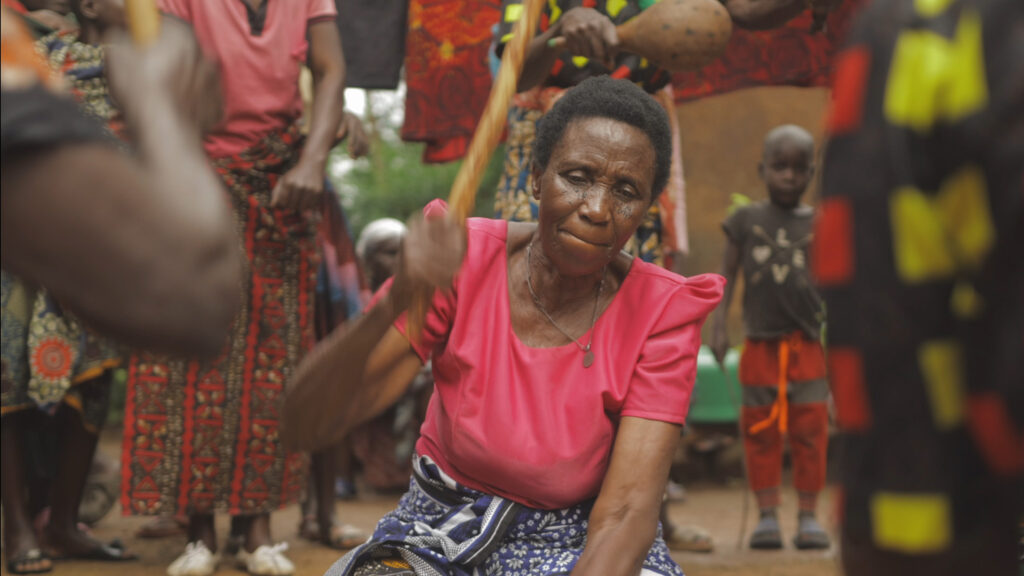
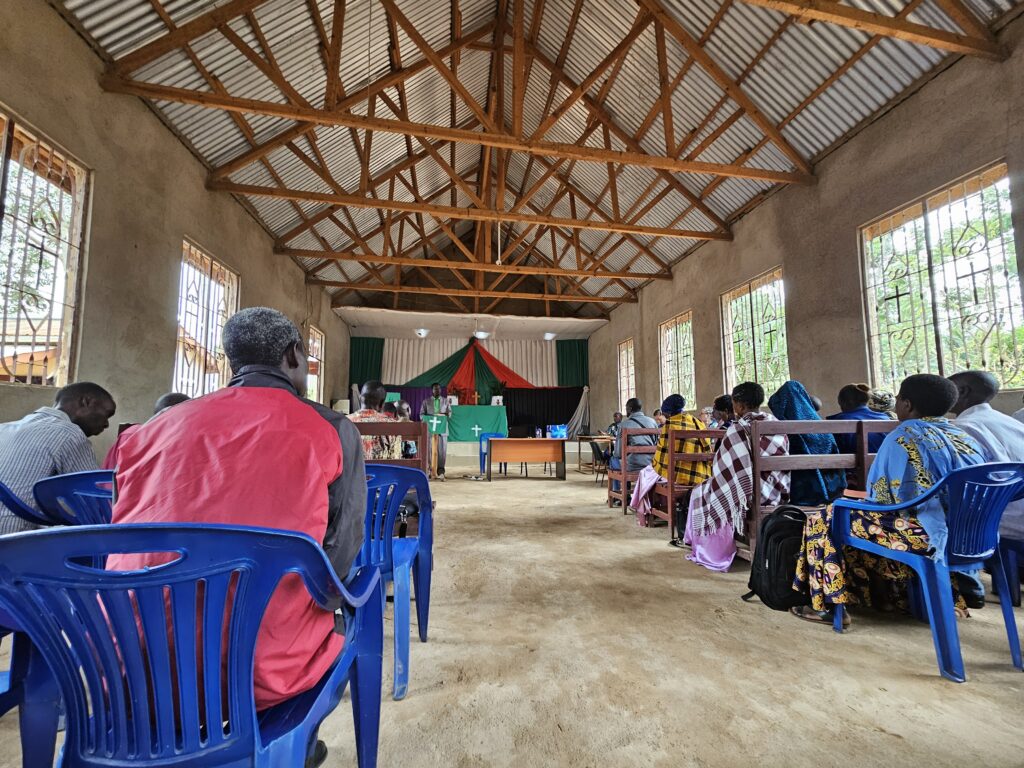
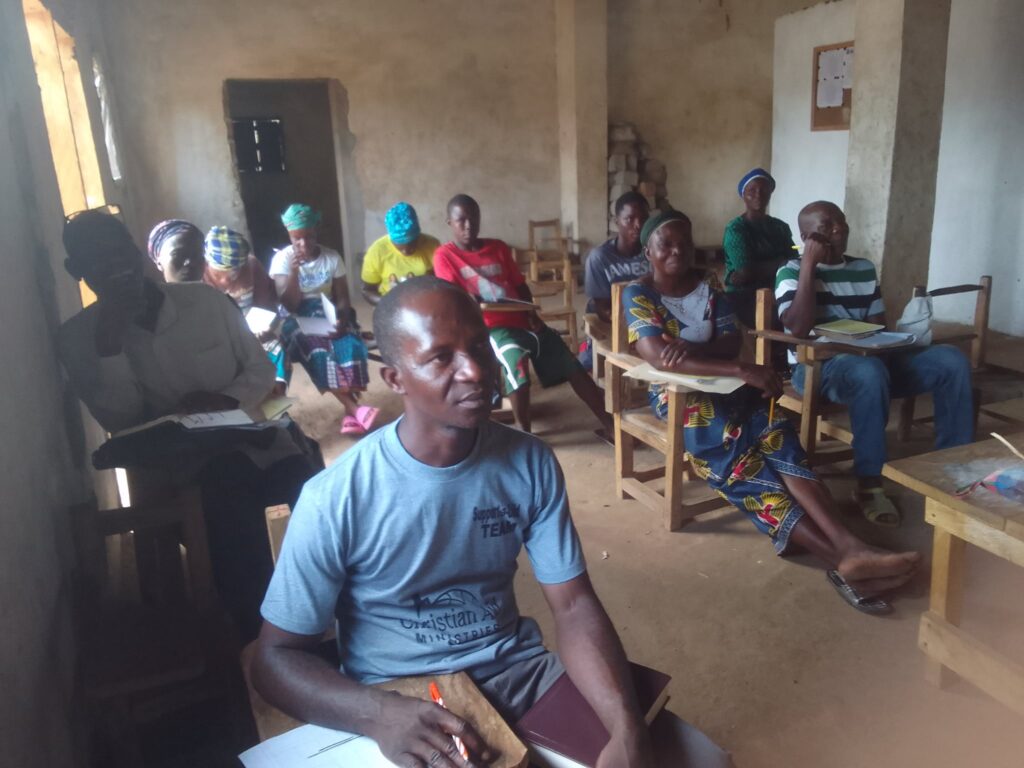
Pastors from the Evangelical Lutheran Church of Tanzania (ELCT) have always placed importance on evangelism. The East of Lake Victoria Diocese (ELVD), one of 27 regional dioceses, sends teams of evangelists from village to village, spreading the Word of God through songs, proclamation, and preaching in services. Pastors and leaders visit even the smallest communities and villages, sharing the Gospel in the country’s language of Swahili. It was in these areas where it became clear many Tanzanians still couldn’t connect with the message in a meaningful way. They couldn’t fully understand it. That’s when the church leaders decided something needed to change to bring the Word to the Tanzanians more completely.
Reaching out for translation help
The rural and remote communities and villages of Tanzania have limited access to government resources, and literacy rates are low—and yet these areas are occupied by 90 percent of Tanzanians. While many in these areas can hear and understand the Swahili language, Scripture often lacks meaning and details that come through the storytelling of the heart language.
“When you force everyone to speak one language, you take away a core part of people—the language they learned from their mother or grandmother. We encourage people to use their heart language to pray and worship, because that’s when they feel, God knows me and loves me for who I am. God speaks my language,” said Tiffany Smith, Community Engagement Specialist with Lutheran Bible Translators.
In order to the bridge the gap in language and literacy, the ELCT reached out to Lutheran Bible Translators to help bring the Word of God to those communities in their own language.
Work is being done among the Taturu, Kerewe, Kara, Sumbwa and Sukuma communities and still more wait to hear the Gospel in their language.
Establishing a foundation and building for the future
With more than 120 unique people groups and language communities within Tanzania, it’s important to Lutheran Bible Translators that the translation work isn’t just completed and checked off a list before moving on. Rather, the plan is for communities to continue to spread the Word in their own language for generations to come.
“We don’t just want to come in and work with a partner and do that once and then somebody else has to come in in 10 or 15 years and do it again. So, our method, our way of partnering, is also designed to create ongoing capacity with our partners, so that they will continue to be deeply engaged with scripture,” said LBT’s Executive Director and CEO Rev. Dr. Rich Rudowske. He said LBT helps train and equip community leaders not only to educate and teach others, but to look for barriers and potential access issues and not only remove them but also prevent them from occurring in the first place.
Lutheran Bible Translators works with the church and the community to develop programs to enrich the translations and literacy work.
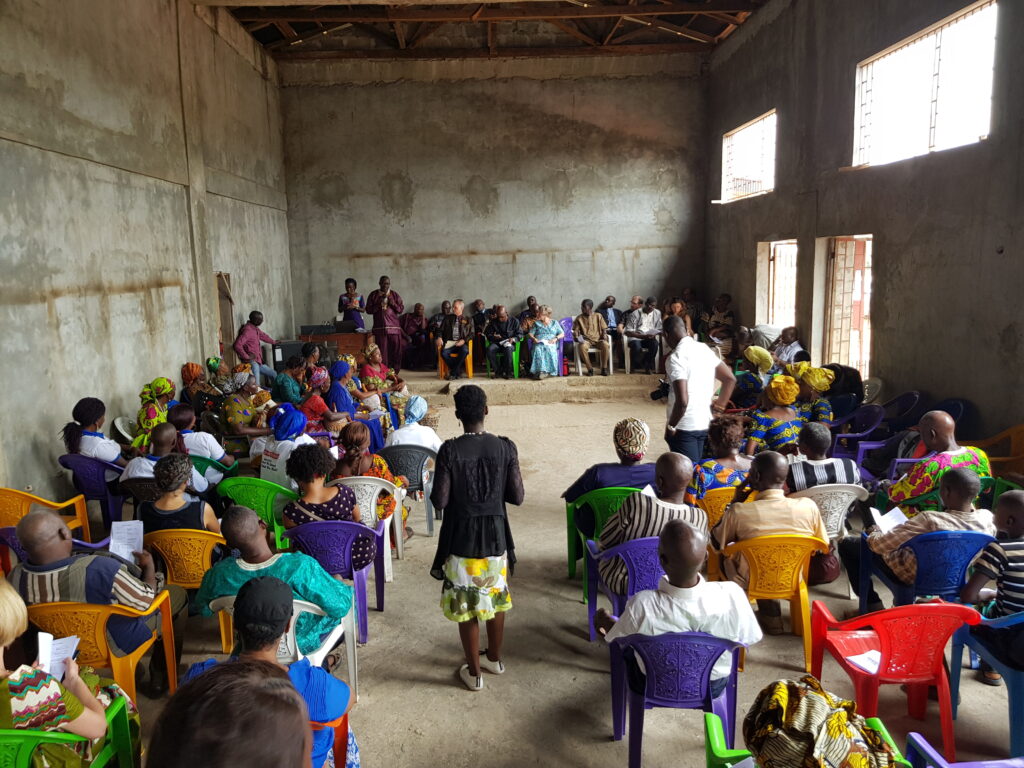
One recent example is the Oral Bible Storytelling workshop series held for leaders of the Kara, Sumbwa, and Tauru languages, which do not yet have a Bible in their language. The workshops help establish a firm foundation in Scripture, not with printed text, but with spoken story. Alongside those leaders were speakers of Kerewe, Swahili, and Sukuma—languages that already have Scripture but are discovering new ways to engage their communities through storytelling. (This complete story is available on the Lutheran Bible Translators blog).

Leadership from within
To establish strong connections, the translation and literacy efforts are overseen by a group of established, local leaders to build trust and community within the villages. The leaders understand the daily life of the people—the language and culture—but they also have the experience to guide them through the translation process.
In Tanzania, Bishop Oscar Lema was integral in connecting mission work with the Bible translation efforts. He recognized the need and mobilized efforts to ensure the Bible is available to all language groups. He is dedicated to ensuring Scripture is understood by all.
Bishop Benson Bagonza Nzelu is a pastor, educator and church leader. His commitment is to build translators from within the communities so the work can be sustained for future generations.
Dr. Henry Mono has a background in missiology and pastoral training and works to equip leaders within the communities and focuses on partnerships between church and translation partners.
Pastor Frank Mdindi serves as the coordinator and exegete for translation work among the Taturu. He has a deep understanding of the language and culture, which helps him build relationships and trust among the community members.
In Tanzania, Lutheran Bible Translators is using over 60 years of experience to support qualified local leaders in Bible translation, literacy and community engagement. The idea isn’t just to produce a translated Bible, but for the church to take ownership in the project.
“When the Church takes ownership, it becomes sustainable,” said Dr. Michael Megahan, who has walked alongside the leaders. “It’s no longer our project. It’s their ministry.”
Learn more about the work of Lutheran Bible Translators in Tanzania.
Leave a Reply
You must be logged in to post a comment.