
Blog
Press Release: April 26, 2026
The Heart of Conversation
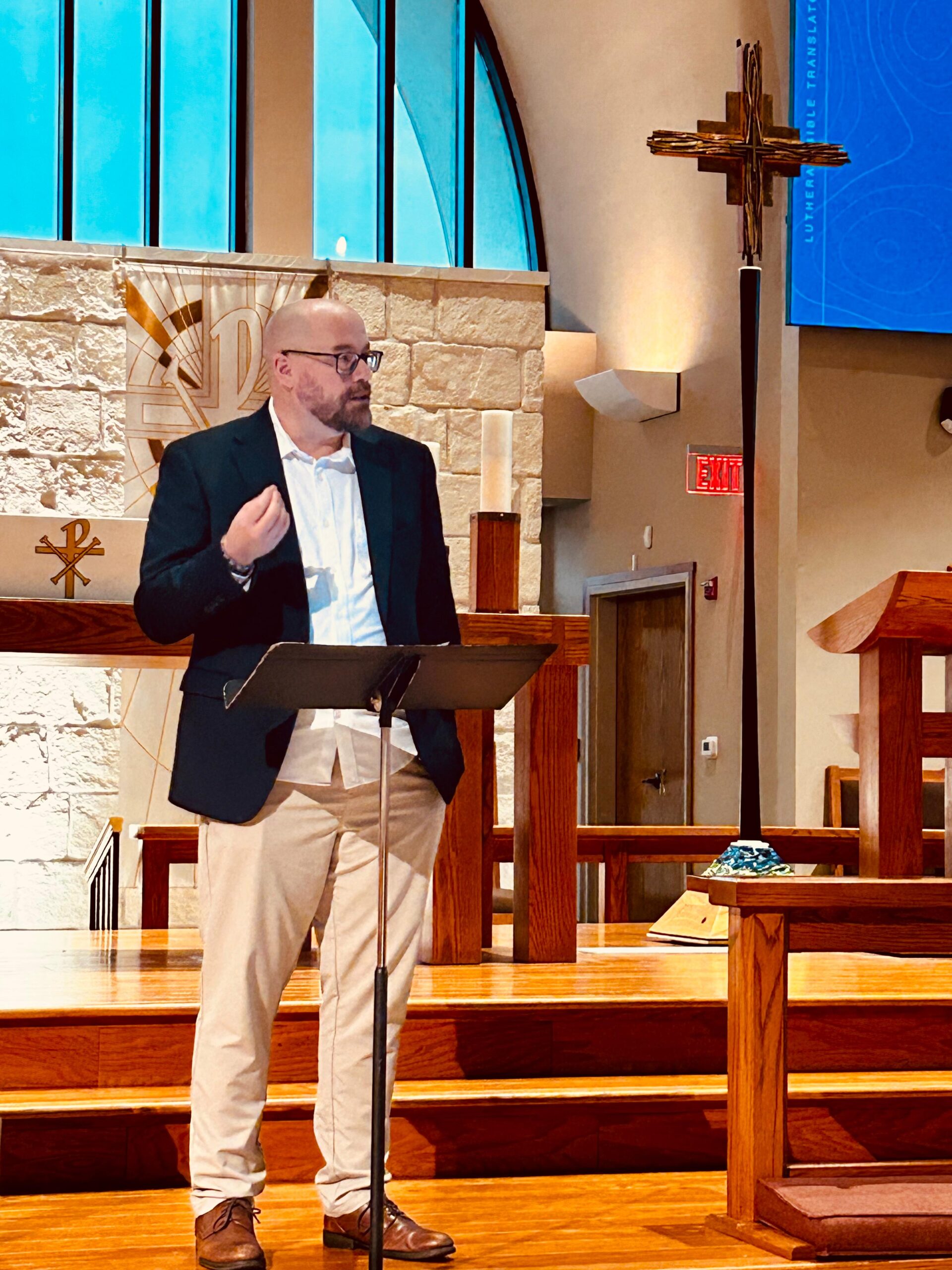
At the Texas District of the LCMS Theological Convocation, Lutheran Bible Translators Executive Director | CEO Rev. Dr. Rich Rudowske served as one of the plenary speakers with a message focused on conversations in theology. He said cues such as words, tone, gesture and context impact how each hearer understands the message. This can lead to misunderstandings, even for those in from the same faith, due to internal world filters.
Communication is not always as simple as one person speaks, another person hears and they understand each other. It’s often way more complicated.
As Rudowske explained at the convocation, communication isn’t a simple transfer of information. Through the process, it’s shaped by each person’s experiences and internal world. In order words, meaning isn’t delivered—it’s constructed. Sometimes, people hear the same words but through very different lenses.
This is where, Rudowske said, things begin to break down.
The start of misunderstanding
One of the most dangerous places in conversation is what Rudowske called “Quadrant 3 drift.” The conversation feels normal on the surface, but underneath, misunderstanding has already taken root. Add to that the “curse of knowledge,” which is knowledge so engrained that it’s impossible to know what it’s like to not have it.
Over time, this can lead to something even more serious: Mind blindness. This makes it difficult for people to imagine how someone else might see things differently.
Rudowske made an important distinction: Not all disagreements are miscommunication. Truth still matters. But many disagreements become impossible to navigate because the conditions for healthy conversation have broken down.
It’s no longer just, “Who’s right?”
It becomes, “Can we even talk long enough, clearly enough, and charitably enough to understand what we’re disagreeing about?”
Ask one more question
Rudowske advice for overcoming misunderstanding is simple-ask more questions. Rather than responding quickly or negatively when someone says something frustrating or confusing, ask for an explanation. This small shift can move conversations in a productive direction, and a follow-up question communications something powerful-a desire to continue the conversation rather than establishing sides to an argument.
Relationships require trust
Rudowske described two kinds of trust:
- Cognitive trust — Confidence in someone’s competence or reliability
- Affective trust — The trust built through relationship, shared life, and personal connection
He described it as two kinds of coffee. The “coffee of relationship” is one of shared stories, conversations about life, not just ministry. Only after that, through the building of relationships comes the “coffee of agreement,” which leads to harder conversations and a different connection. There cannot be one or the other to have substantial conversations.
Many church workers, he noted, try to sustain unity on cognitive trust alone. However, what the situation needs is relationship, which requires affective trust.
This kind of relational investment isn’t complicated, but it is intentional:
- Show up early and stay a little longer
- Use unstructured time to ask about life, not just work
- Listen
Rudowske and the Lutheran Bible Translators team is thankful to the Texas District for the invitation and opportunity to share work and participate in conversation and dialogue.





Leave a Reply
You must be logged in to post a comment.