
Blog
Press Release: May 4, 2026
Scripture, Culture, and Komba Burial Rites
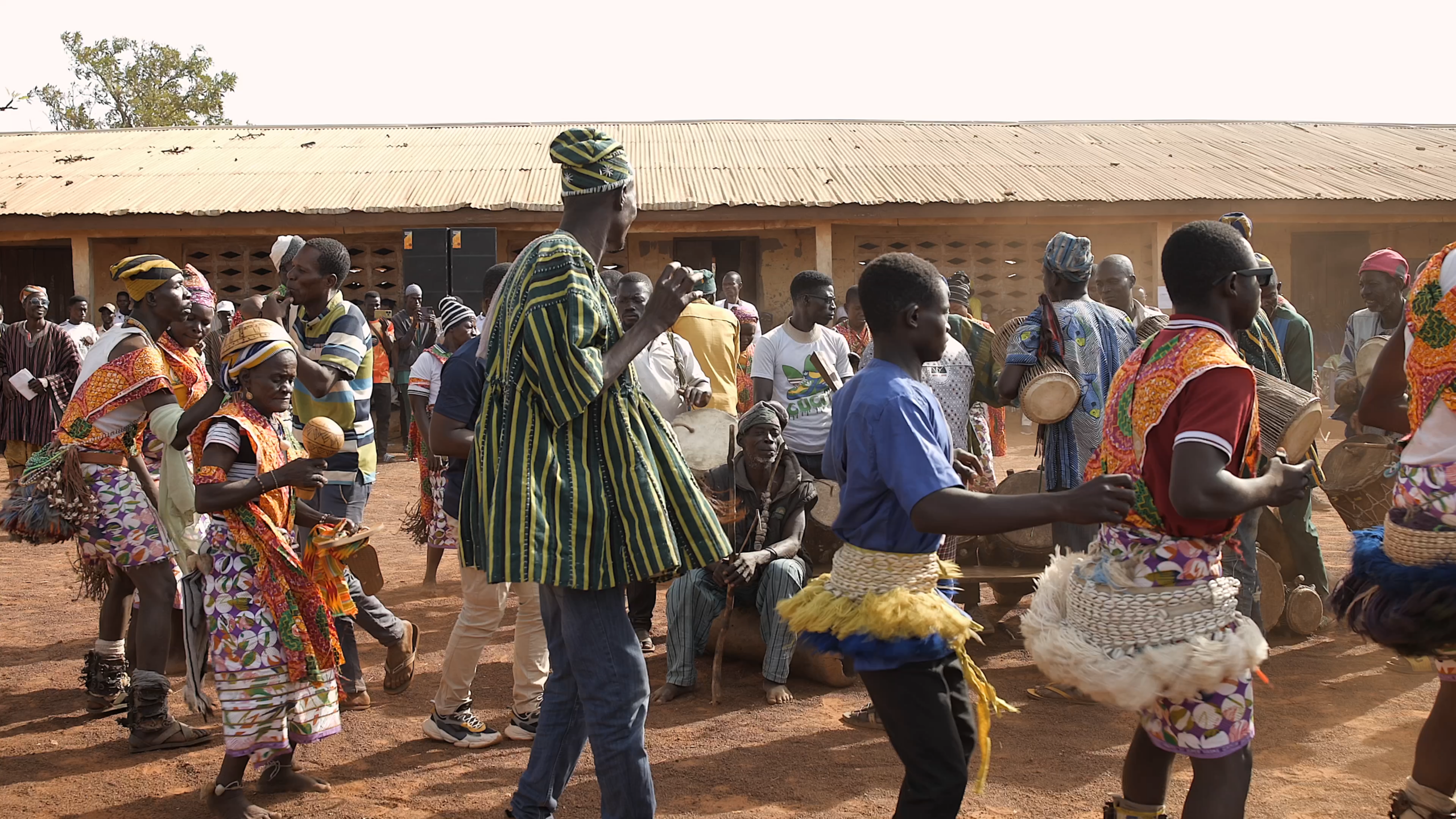
Why understanding burial rituals is opening new pathways for Scripture engagement in Ghana
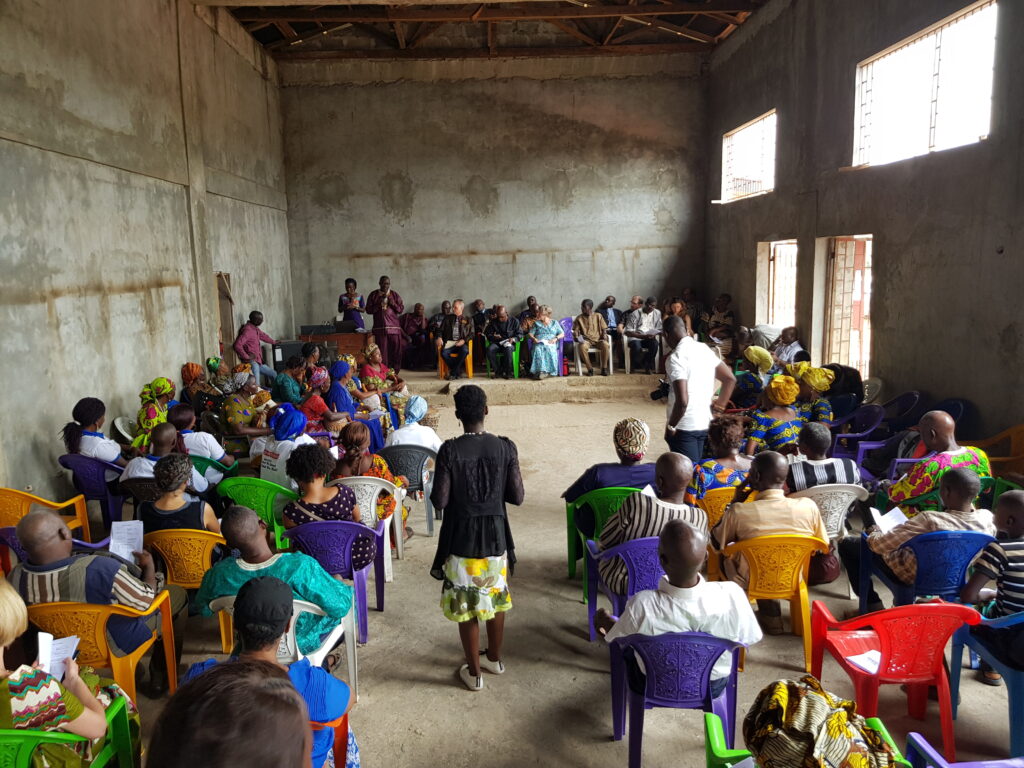
David Federwitz, Director of Partnerships and Scripture Engagement, recently conducted exciting new research in Ghana for his Doctoral studies. His research focus is directly related to the rites and rituals of traditional Komba burial, expanding into helping Komba Christians critically evaluate their traditional cultural practices through a Biblical lens. A trip in early spring uncovered some fascinating and intriguing parallels between Komba rituals and the life of Christ.
A New Chapter After the Bible Dedication
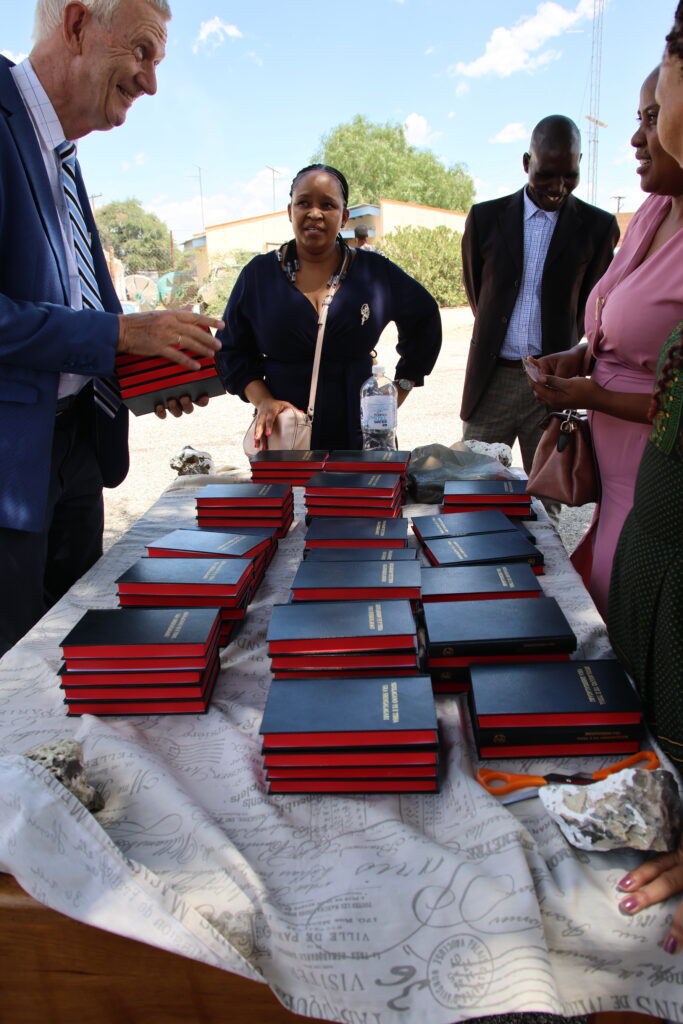
The Komba people dedicated the full Bible at the end of 2025. From first drafts to final publication, the Bible was over 20 years in the making. Now, the next stage begins – intentionally incorporating the full Word of God into daily life. A big part of life for the Komba people is transitional celebrations – especially burying their dead.
Why Burial Rites Matter
David chose to begin with burial rites and rituals not because there is anything “magical” about this transition, but because it is inevitable, sacred, and deeply meaningful within Komba culture. By starting where meaning already resides, his work honors the people first—and opens space for Scripture to speak with resonance rather than disruption. Starting here makes sense. Later, with this transition ceremony as a guide, he will facilitate the evaluation of other cultural celebrations. He shared, “It’s about using Scripture as a lens for their cultural customs and various rites and rituals that they have in their traditional religious setting, to see which aspects align with God’s Word, presenting an opportunity for a ready Gospel connection, and which aspects go completely against the Word of God.”
Unexpected Echoes of the Gospel
David uncovered some amazing Scriptural connections between Komba practices and the timeline of Christ’s death and resurrection. A Komba burial takes place over several days—three days for a man and four for a woman—each number carrying cultural meaning tied to identity and gender. “There are actually some burial customs that happen on the third day, and it is simply referred to as ‘The Third Day,’” David shared. He also learned that the number three is associated with being a man (four is associated with a woman). Although these are the early stages of research, he couldn’t help but think about the implications for sharing Christ in this setting.
“Jesus was God and human. He was a man. And when you think about Biblical times, on the morning of the third day the women went to Jesus’ tomb. What were they doing? They’re not expecting Jesus to be alive. They went there to continue the burial rituals.” By calling attention to the women attending to Jesus on the third day, a parallel can be drawn between Christ as God and man, and the importance of burial ritual. David points out, “Of course, the women only attended him on the third day because the next day would have been the Sabbath, when they could not work, so it is not a perfect correlation, but it does make for an interesting Scriptural connection for the Komba people.”
Listening for Sustainable Trust
Please pray for David as he continues this research and his partnership with the Komba people. By listening first—honoring long-held traditions and then engaging them through Scripture—this work is building trust, deepening faith, and helping the Word of God take root in ways that are both biblically faithful and culturally alive.
Leave a Reply
You must be logged in to post a comment.